
Welcome to by latest blog article (6 minute read). In the podcast version (listen below or on Apple podcasts), two AI hosts do a fantastic job of deep-diving into this “human-written” post (12 minutes). Honestly, they really blow me away with how they talk about it! I hope you enjoy. Please let me know your thoughts. Jan
AI is changing how we work.
Everywhere you look, the signals are showing that the old ways of working, knowing, and relating to the world are falling away. It’s not just AI that’s changing how we work; climate shifts are prompting us to live differently. And, at a deeper, quieter level, many people feel something else.
This transition isn’t just a tech shift. It’s also a human and energetic one.
So what happens to the way we work in a world like that? What happens to our skills and the tools we use? How do we stay relevant in an unknown future?
Imagine future work with no Internet.
To envision a future workplace that is not founded on the Internet, let’s take a bold step further and really think about it (now you know which rabbit hole I’ve been down this month!).
I felt this “thought experiment” was quite powerful because it removed any of my assumptions. So, if we imagine a world where digital connectivity is gone (by choice, collapse, or evolution), what work survives and thrives?
If, as many people are predicting, we are entering a new Golden Age, what remains? What do we consider valuable?
How would we integrate the wisdom we’ve gained through the digital age?
What would work look like without the Internet? The first question that came to my mind was, what about AI?
Would AI still work?
If, in the future, we lived and worked without the Internet as we know it now, would we still use AI? What do you think?
I wasn’t sure, so I conducted some research (on the Internet, of course).
The answer is yes; some AI systems can operate without an Internet connection.
However, this depends on the type of AI and its design (excuse me, while I make a point about design and digital literacy; we all need it!).
AI that runs locally on a device (such as a phone, car, or camera) is called “On-Device AI” or “Edge AI”, and it does not rely on constant online access.
Edge AI can operate with or without an internet connection, as it is pre-trained and then embedded directly into the device. They don’t learn in real-time, so they can run efficiently offline.
Some examples of Edge AI are your smartphone’s photo app, which recognises faces or objects. Voice assistants that work offline (e.g. newer versions of Siri or Pixel’s voice-to-text). Plus, some medical or industrial devices use AI on-site.
It makes sense.
Custom AI Installations
There are also some AI that don’t require the public internet but still need significant computing power and storage.
For example, large AI models, such as ChatGPT or image generators, can be installed on private servers. These may be found in laboratories, military settings, or sensitive environments.
These AI systems are used for security, control, or independence from global infrastructure.

AI That Needs the Internet
However! If the Internet were to vanish, we would be unable to access most of today’s widely used AI tools.
For example, AI systems, that are publicly accessible through the World Wide Web (ChatGPT, Gemini, Claude and many others) reside on the cloud, which means we must have an Internet connection to access them.
What would our future work life be like without the Internet? How would we use everything we have learned from the “Information Age”?
We can’t simply return to a life “before the Internet”; we have too much knowledge and experience living with it.
So what would we do?
Return to Human-first Experiences
It’s possible that work without the Internet, as we know it now, could shift us back to human community networks. Designing, not just things, but ways of being.
Which brings me to these five things to ponder.
5 “Skills” That Don’t Need the Internet
The question is, without the Internet, would we value our basic human skills, such as design, creativity, storytelling, empathy, and systems thinking, more?
1. Design Literacy
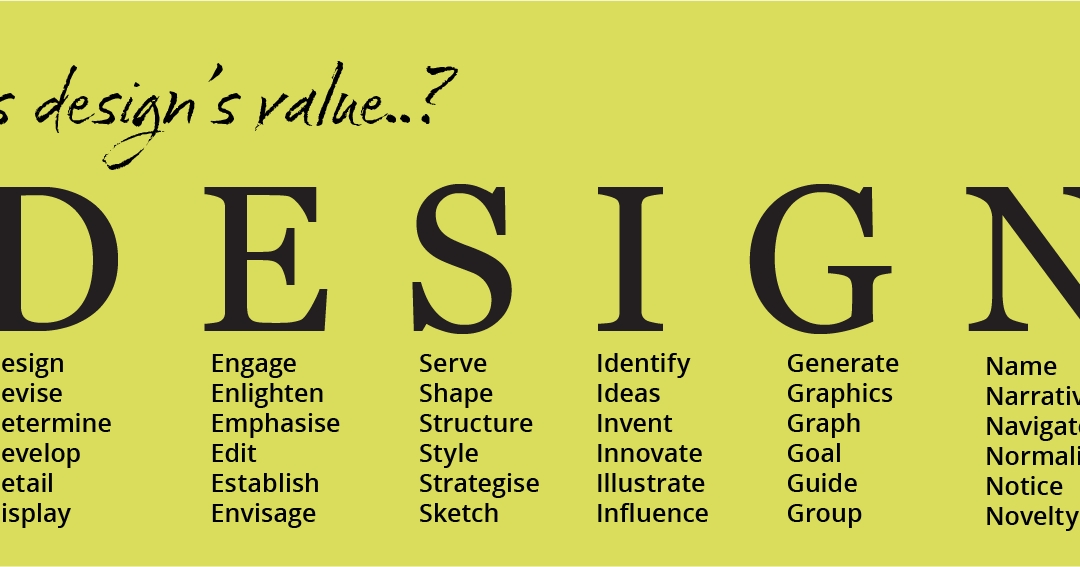
Design literacy enables people to shape, rather than react to, their world. Design influences our visual communication, social systems, and even our perspective on the future.
2. Creative Thinking
Creative thinking can foster adaptability and innovative problem-solving approaches. It is especially relevant for regenerating communities and creating alternatives.
3. Emotional Intelligence
Emotional Intelligence builds resilience, empathy, and collective care. It forms the basis for trust and collaboration.
4. Storytelling
Storytelling is a way we share meaningful experiences to help us remember them more vividly. When we listen to a story, our imagination is activated. Storytelling helps people co-create new narratives and shared visions.
5. Sensemaking
When we make sense of something, we connect ideas, symbols, and systems to form a shared understanding.
These are just a few of the many skills that we humans possess. I call them skills rather than just abilities because their impact is more powerful the more we practice them. They would enable us to survive and thrive even if our tools undergo drastic changes.
My PhD research showed that shared understanding, although I also like the word “sensemaking”, of even commonly used words, is vital for navigating complex group communication.
You can check out my free guide on how to activate shared understanding (a model I call AAVA). Find out more here.
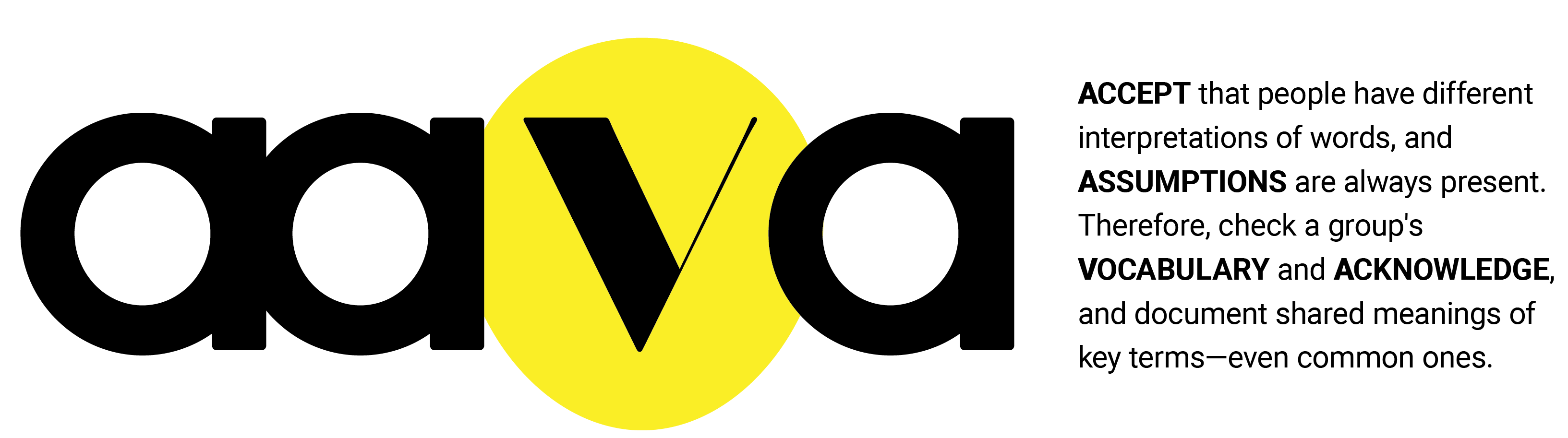
AAVA is an acronym. The first A stands for “Accept”, the second “Assumptions”, and V for “Vocabulary”, and finally, A for “Acknowledge”. Together, they are a reminder for us to:
Accept that people always make assumptions about the meaning of words. To improve any group communication start by reviewing commonly used vocabulary then acknowledge the key terms you agree on by sharing them with everyone.
Essentially, I believe that if the Internet (as we know it) were to disappear, we’d seek out the timeless benefits to society. I find that thought a little exciting, do you?
This is such a vast topic, I have only just touched the surface. I’m going to explore this rabbit hole for a while!
I hope you will join me next time when I talk about the World Wide Web. What would happen to that without the Internet?
Much love,
Jan
0 Comments