
AAVA model of communication

Even when we say the exact words, we don’t always say the same thing!
AAVA is founded on Symbolic Interactionism.
Symbolic Interactionism (stay with me; I’ll break it down and be brief) is a social theory from the early 20th century that explains how we give meaning to things through interaction with others.
Symbolic Interactionism is 100 years old. Yet, it is one of the most relevant theories (I believe) for our time. Please read on.
Making Sense of Confusing Conversations
Confusing conversations are part of everyday life. Even when we believe we are communicating clearly, our words are often misunderstood.
Our words (language) are the tool we use to communicate the meanings of things to others. Before symbolic interactionism, people believed that meaning originated from institutions or systems, a top-down approach.
In reality, it is the opposite. Symbolic interactionism demonstrates how we “collectively” construct our understanding of things.
Think about it. Symbolic interactionism tells us that our meanings do not exist without the presence of other people. It is such a simple and powerful concept, and it was quite a revolutionary theory for its time.
100 years on: Symbolic Interactionism is still valid.
Symbolic Interactionism was developed in the early 20th century by George Herbert Mead, a philosopher and sociologist who believed language connects how we think, act, and relate to society.
After Mead passed away, his ideas were formalised by his colleague and former student Herbert Blumer, who in 1969 coined the term Symbolic Interactionism, and the description stuck. Blumer distilled the theory into three key concepts:
1. We act toward things based on the meanings we give them.
2. Those meanings come from social interactions.
3. We constantly interpret and adjust those meanings as we go through life.
Blumer believed that number three (3) was the most critical premise: Our meanings are not fixed; they morph and change as we do.
Accept that people have different interpretations of words, and our assumptions are always present. Therefore, review your group’s vocabulary and acknowledge (document) shared meanings for key terms, especially those that are commonly used.
AAVA explained
The AAVA communication framework offers a practical approach to establishing shared meanings of words, facilitating more effective collaboration and teamwork among individuals. Let’s break it down.
AAVA stands for:
Accept that people think differently. Assumptions are always present; identify them. Vocabulary needs checking, so ask what key terms mean. Acknowledge shared meaning, capture and document it.
1. Accept
Before having better conversations, we must accept that not everyone shares our worldview of even common words.
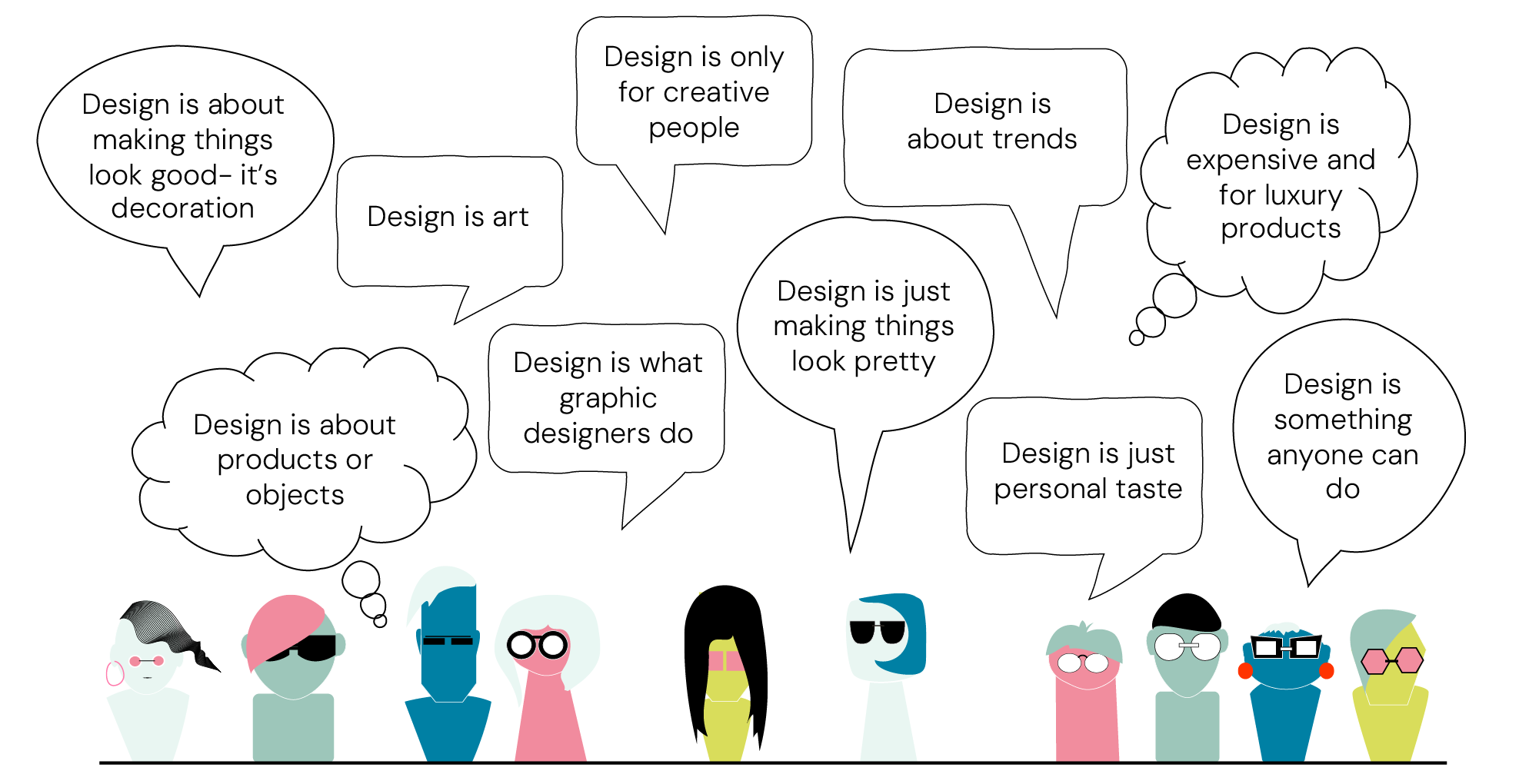
2. Assumptions
We all assume others understand what we mean—but they often don’t. If even common words like “design” can cause miscommunication, words like “strategy,” “brand,” or “UX” certainly could.
When we make assumptions about what others are thinking, we set ourselves up for confusion, frustration, and missed opportunities.
3. Vocabulary
Words matter—but only if we agree on what they mean.
The same word can have different meanings depending on who says it, who hears it, and the context in which it’s used.
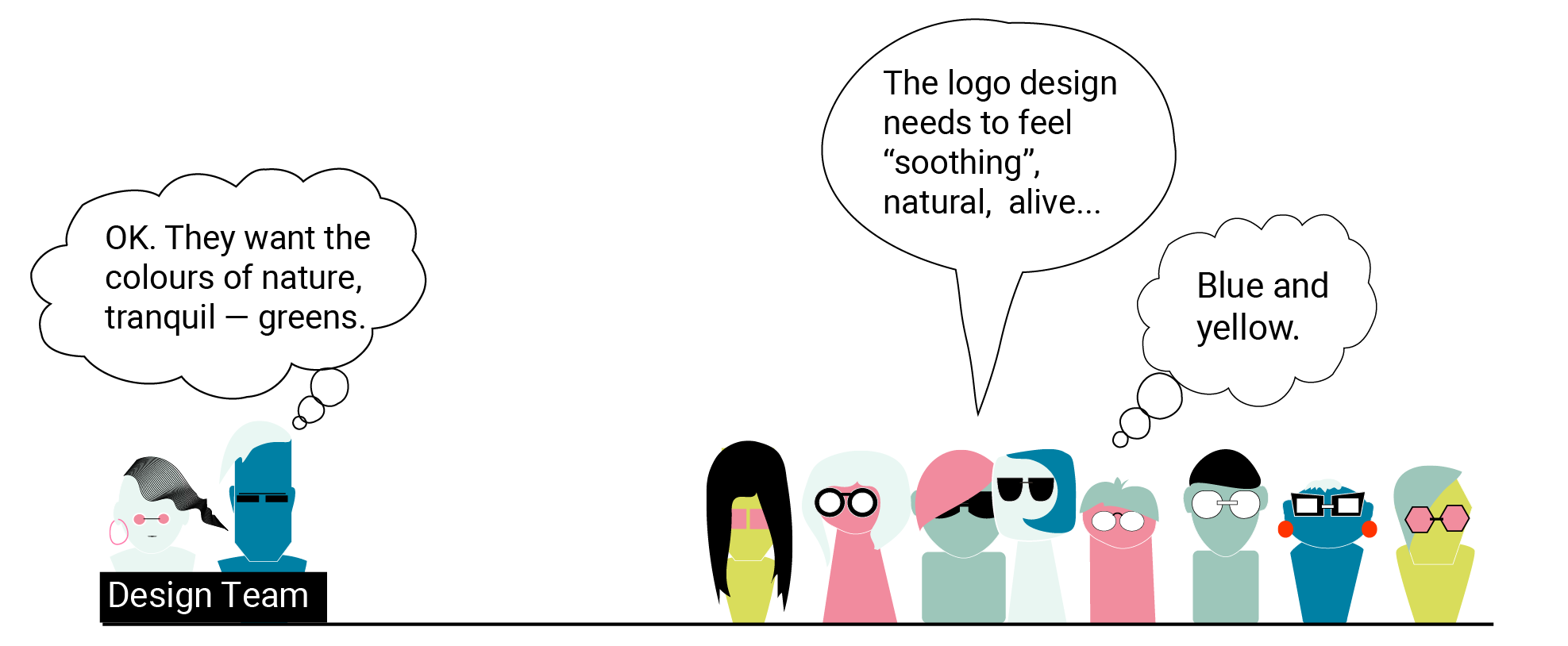
4. Acknowledge
Acknowledging our shared meanings makes them visible.
Whether through a glossary, a shared doc, or a quick check-in during a meeting, acknowledge the meanings you’re working with.
This isn’t about endless debates; it’s about making sure everyone is on the same page before you move forward.
Taking a moment to unpack what we really mean by a word can save hours of miscommunication later.
The Result?
Fewer arguments. More progress. Stronger outcomes.
You don’t need to understand all the philosophy to benefit from the framework, but it’s there, under the hood, adding depth and credibility.
AAVA is a mindset. Once you start using it, you’ll see it everywhere—from project meetings to family conversations.
© 2021 Jan Jervis All Rights Reserved. AAVA is Licensed under CC BY-NC-ND. You may use this framework as long as it is for non-commercial purposes; nothing has been changed; you credit the author and include this copyright notice and web address: www.janjervis.com.au.